Monday, 27 August 2018
Sunday, 26 August 2018
JORDAN
An amazing UNESCO cover from Jordan, depicting a complete set issued in 2017. This complete set of 5 stamps features all the cultural and natural places in Jordan inscribed at UNESCO: Um Er-Rasas (2004), Qusayr Amra (1985), Baptisme site (2015), Wadim Rum Desert (2011) and Petra (1985).
1. Um er-Rasas - This site contains remains from the Roman, Byzantine and Early Muslim periods end of 3rd to 9th centuries AD) and a fortified Roman militar camp. The site has also 16 churches and some with well-preserved mosaic floors.
2. Qusair Amra - Built in the early 8th century, this excepcionally well-preserved desert castle was both a fortress with a garrison and a residence of the Umayyad caliphs. The most outstanding features of this small pleasure palace are the reception hall and the hammam, both richly decorated with figurative murals the reflect the secular art of the time.
3. Baptism Site "Bethany Beyond the Jordan" (Al-Maghtas) - Situated on the eastern bank of the River Jordan, nine quilometres north of the Dead Sea, the site is believed to be the location where Jesus of Nazareth was baptized by John the Baptist. It features Roman and Byzantine remains including churches and chapels, a monastery, caves that have been used by hermits and pools in which baptism were celebrated, testifying to the religious character of the place.
4. Wadi Rum - The 74,000-hectare property, inscribed as a mixed natural and cultural site, is situated in Southern Jordan, near the border with Saudi Arabia. It features a varied desert landscape but petroglyphs, inscriptions and archaelogical remains in the site testify to 12,000 years of human occupation and interaction with the natural environment.
5. Petra - Inhabited since prehistoric times, this Nabataean caravan-city, situated between the Red Sea and the Dead Sea, was an important crossroads between Arabia, Egypt and Syria-Phoenicia. Petra is half-built, half-carved into the rock, and is surrounded by mountains riddled with passages and gorges. It is one of the world's most famous archaeological sites, where ancient Eastern traditions blend with Hellenistic architecture.
Petra is inscribed as Unesco's World Heritage site since 1985 and considered as one the most astonished cultural places in the world.


1. Um er-Rasas - This site contains remains from the Roman, Byzantine and Early Muslim periods end of 3rd to 9th centuries AD) and a fortified Roman militar camp. The site has also 16 churches and some with well-preserved mosaic floors.
2. Qusair Amra - Built in the early 8th century, this excepcionally well-preserved desert castle was both a fortress with a garrison and a residence of the Umayyad caliphs. The most outstanding features of this small pleasure palace are the reception hall and the hammam, both richly decorated with figurative murals the reflect the secular art of the time.
3. Baptism Site "Bethany Beyond the Jordan" (Al-Maghtas) - Situated on the eastern bank of the River Jordan, nine quilometres north of the Dead Sea, the site is believed to be the location where Jesus of Nazareth was baptized by John the Baptist. It features Roman and Byzantine remains including churches and chapels, a monastery, caves that have been used by hermits and pools in which baptism were celebrated, testifying to the religious character of the place.
4. Wadi Rum - The 74,000-hectare property, inscribed as a mixed natural and cultural site, is situated in Southern Jordan, near the border with Saudi Arabia. It features a varied desert landscape but petroglyphs, inscriptions and archaelogical remains in the site testify to 12,000 years of human occupation and interaction with the natural environment.
5. Petra - Inhabited since prehistoric times, this Nabataean caravan-city, situated between the Red Sea and the Dead Sea, was an important crossroads between Arabia, Egypt and Syria-Phoenicia. Petra is half-built, half-carved into the rock, and is surrounded by mountains riddled with passages and gorges. It is one of the world's most famous archaeological sites, where ancient Eastern traditions blend with Hellenistic architecture.
Petra is inscribed as Unesco's World Heritage site since 1985 and considered as one the most astonished cultural places in the world.
ARCTIC POST OFFICES - Jan Mayen (Norway)
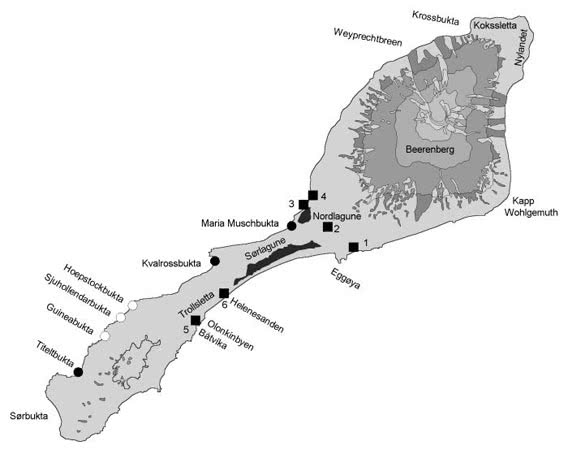
An interesting cover that I have prepared to myself. This cover was posted in Jan Mayen Island, a small volcanic Island in the Arctic Ocean between Norway and Greenland and north of Island. The entire Island is a Nature reserve but is also a metereological station. Despite the isolation and sparse population there is a post office on Jan Mayen. Its special postmark (that we can see stamped on my cover) features the Beerenberg volcano, the highest point of the Island.
Any information regarding Jan Mayen Island can be checked at https://www.jan-mayen.com/jan-mayen-information.html
TURKEY
A nice cover from Turkey, depicting a miniature sheet issued in 2016 celebrating the "Milli National Park".
SPAIN
A nice cover from Spain, depicting a miniature sheet celebrating the Leon Cathedral, a religious building from the 10th, century.
Thursday, 26 July 2018
TURKEY
An interesting cover from Turkey, depicting a miniatures sheet issued in 2017 on topic "Historic Bazaars".
BELARUS
A beautiful Fauna cover from Belarus, depicting a miniature sheet issued in 2013 on topic "Zoos in Belarus".
Thursday, 19 July 2018
BRAZIL
A nice cover from Brazil, depicting 2 se-tenant stamps issued in 2011, celebrating the "Tijuca National Park", a part of the UNESCO World Heritage Site "Rio de Janeiro: Carioca Landscapes Between the Mountain and the Sea". The listed site, inscribed since 2012 as an UNESCO World Heritage Site, consists of an exceptional urban setting rather than built heritage. It encompasses the key natural elements that have shaped and inspired the development of the city: from the highest points of the Tijuca National Park's mountains down to the sea. They also include the Botanical Gardens, established in 1808, Corcovado Mountain with its celebrated statue of Christ and the hills around Guanabara Bay, including the extensive designed landscapes along Copacabana Bay which have contributed to the outdoor living culture of this spectacular city. Rio de Janeiro is also recognized for the artistic inspiration it has provided to musicians, landscapers and urbanists.
Subscribe to:
Posts (Atom)


